
Meet the Climate Emergency Group
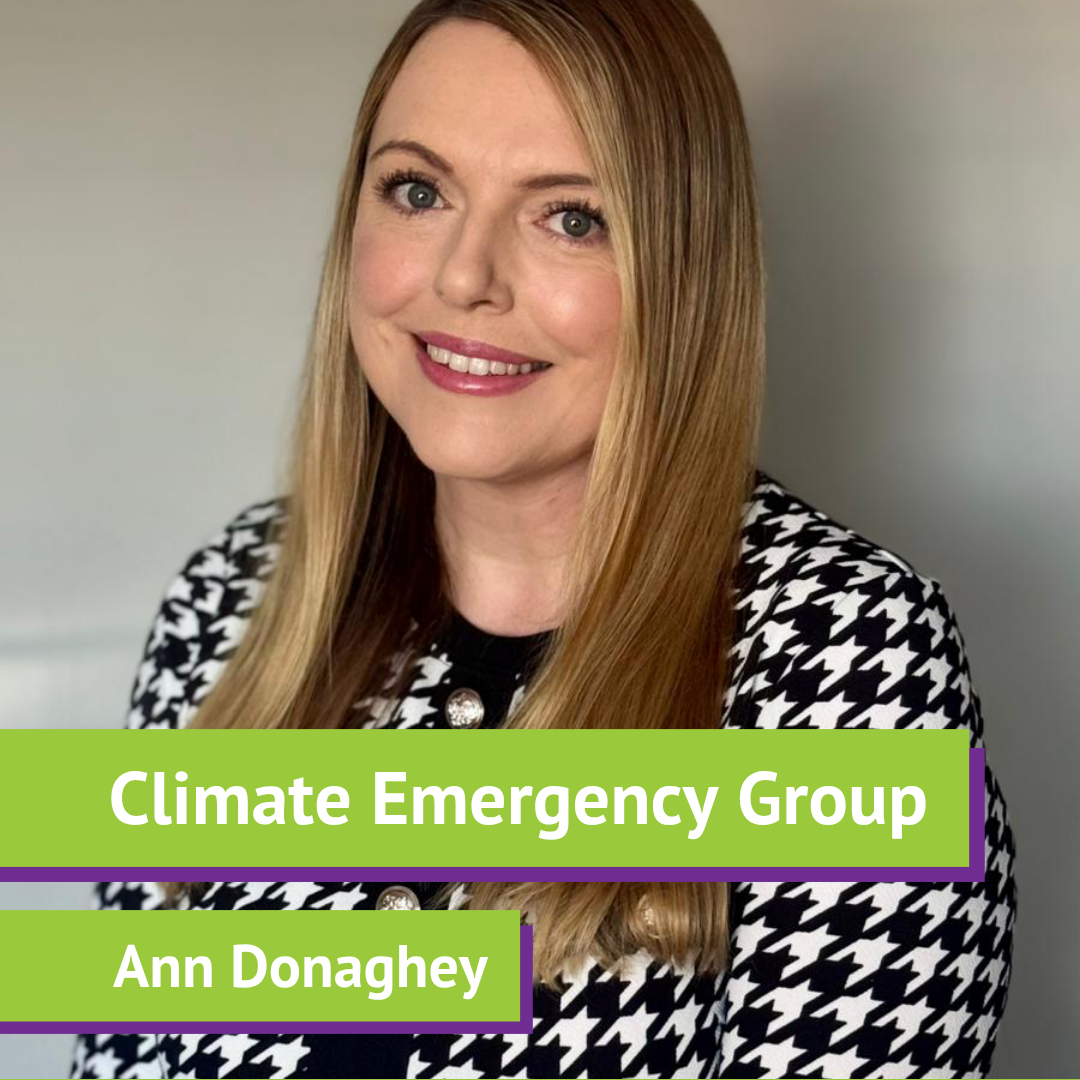
Chair: Ann Donaghey, MEng MSc LSSMBB
Ann Donaghey MEng MSc FWES is a senior transformation leader in global manufacturing, engineering and sustainability, with over 20 years of experience leading operational, digital and business transformation across organisations including Unilever, Ecolab and biotech scale ups. She is a Lean Six Sigma Master Black Belt and holds degrees in Chemical Engineering and Change Management.
Her work centres on translating strategy into execution in complex, regulated and high consequence environments, spanning decarbonisation, advanced manufacturing, digital transformation and the responsible deployment of emerging technologies, including artificial intelligence. At Unilever, she worked within a business recognised for multiple World Economic Forum Lighthouse factories and shaped by major digital transformation and manufacturing decarbonisation programmes.
Ann is a Board Trustee of the Women’s Engineering Society and Chair of its Climate Emergency Group, where she leads engagement on sustainability and the future of engineering practice. She also contributes to discussions on the Future Factory, Digital Twin and emerging technologies. Most recently, she studied ethics through the Cambridge Institute for Sustainability Leadership, further strengthening her focus on responsible innovation and engineering accountability.
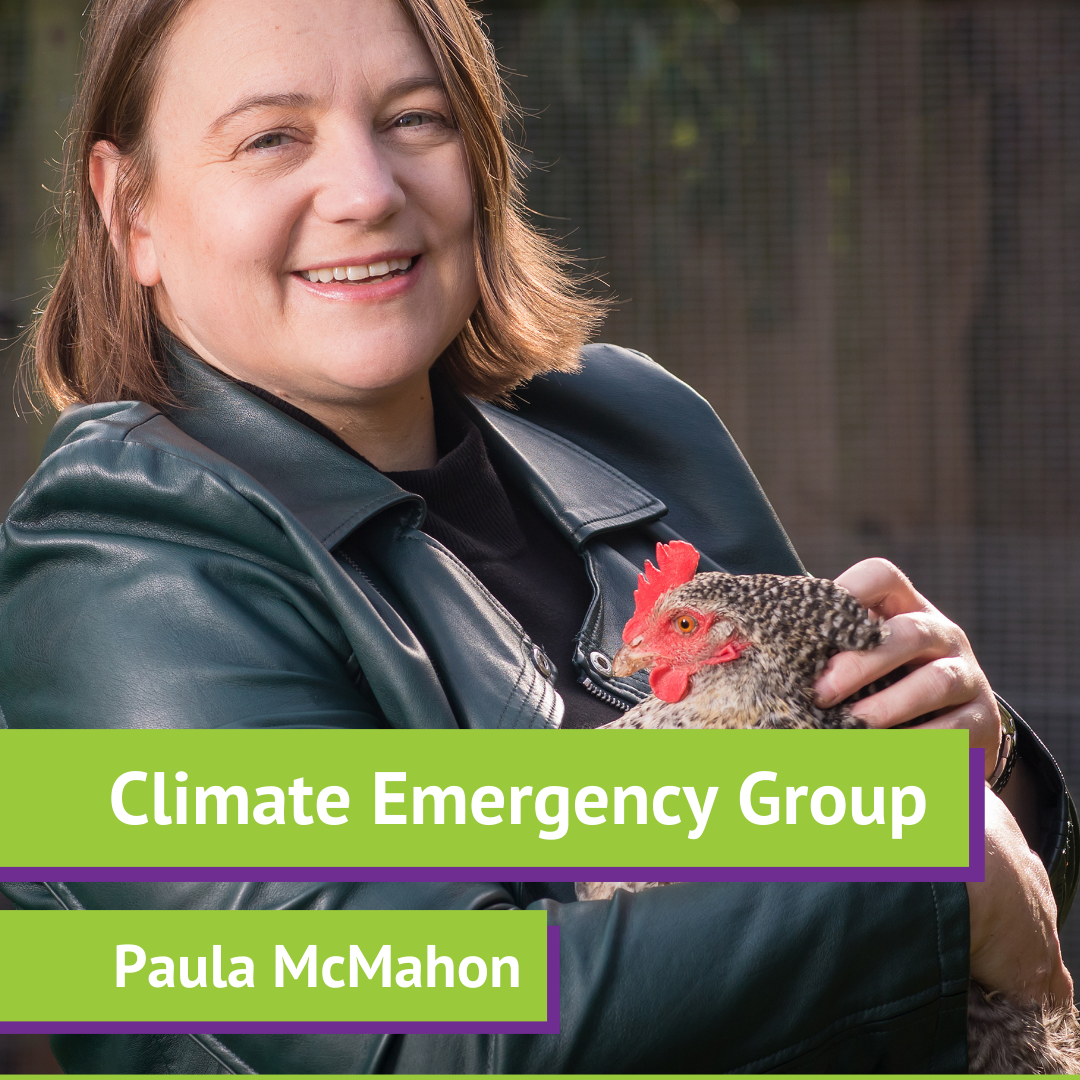
Paula McMahon
Paula started life as a Civil Engineering Apprentice which earned her a WES WE50 Current and Former Apprentice award in 2019. Since then she has become an active member of the Tyne and Tees Cluster, a WES Fellow, former Chair of the Climate Emergency Group and Chair of the Members Director Committee.
Her career has been wide ranging and varied and has included significant roles on high profile projects including the Thames Barrier, Hinkley Point C and DUBAL Aluminium. She is a Chartered Fellow of the ICE and CMI. Paula currently works for Sir Robert McAlpine doing her dream job where she helps staff with their professionally qualifications and manages the Social Value for her project, she also Co-Chaired the Gender Equality Network.
Paula is also a Trustee of the ICE and the High Tide Foundation, Chair of the Stockton Business Climate Coalition, and she sits on several strategy groups. She is regularly invited to speak at national and international events on a range of topics, including engineering, diversity and sustainability and is a visiting lecturer and Honorary Professor at Teesside University.
Paula strongly believes in inspiring our next generation and educating everyone to work towards an equitable and sustainable future. She is the driving force behind Engineering Together which brings together a wide selection of UK and International Engineering Institutions and bodies to work collaboratively to raise awareness and understanding of engineers and engineering. She set up Primary Voices to impress the need for urgency climate action whilst providing everyday solutions to help tackle the climate crisis and The Line to tackle every day micro-aggressions and inappropriate comments.
Paula’s work in the industry and education has earned her many awards and accolades including the prestigious European WICE Award Lifetime in Engineering for 2021.
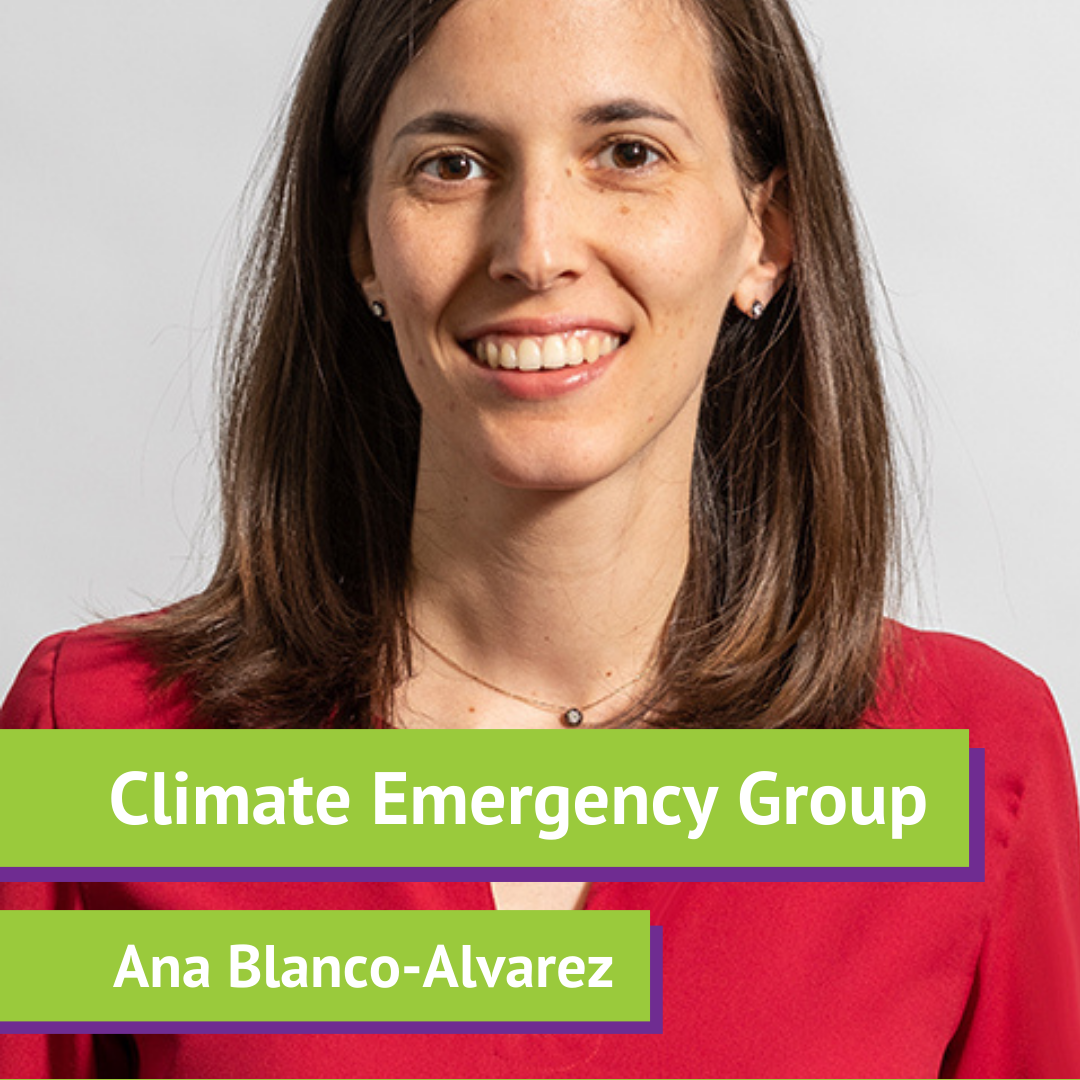
Ana Blanco-Alvarez
Ana received a BSc and MSc in Civil Engineering from Universitat Politecnica de Catalunya in Spain and was awarded a Doctoral Degree in 2013 from the same institution. After several years as a postdoctoral researcher working on hydraulic and underground infrastructure, repair and maintenance; and co-founder of a spin-out company, she joined Loughborough University in 2018 where she is now Senior Lecturer in Infrastructure Engineering.
Ana’s research includes advanced and low carbon construction materials, infrastructure repair and maintentance, modern methods of construction and sustainability assessment. She is passionate about supporting early career researchers and professionals.
She is a Chartered Engineer, member of the Institution of Civil Engineers, the Institute of Concrete Technology and the UK Young Academy, and Fellow of the Higher Education Academy.
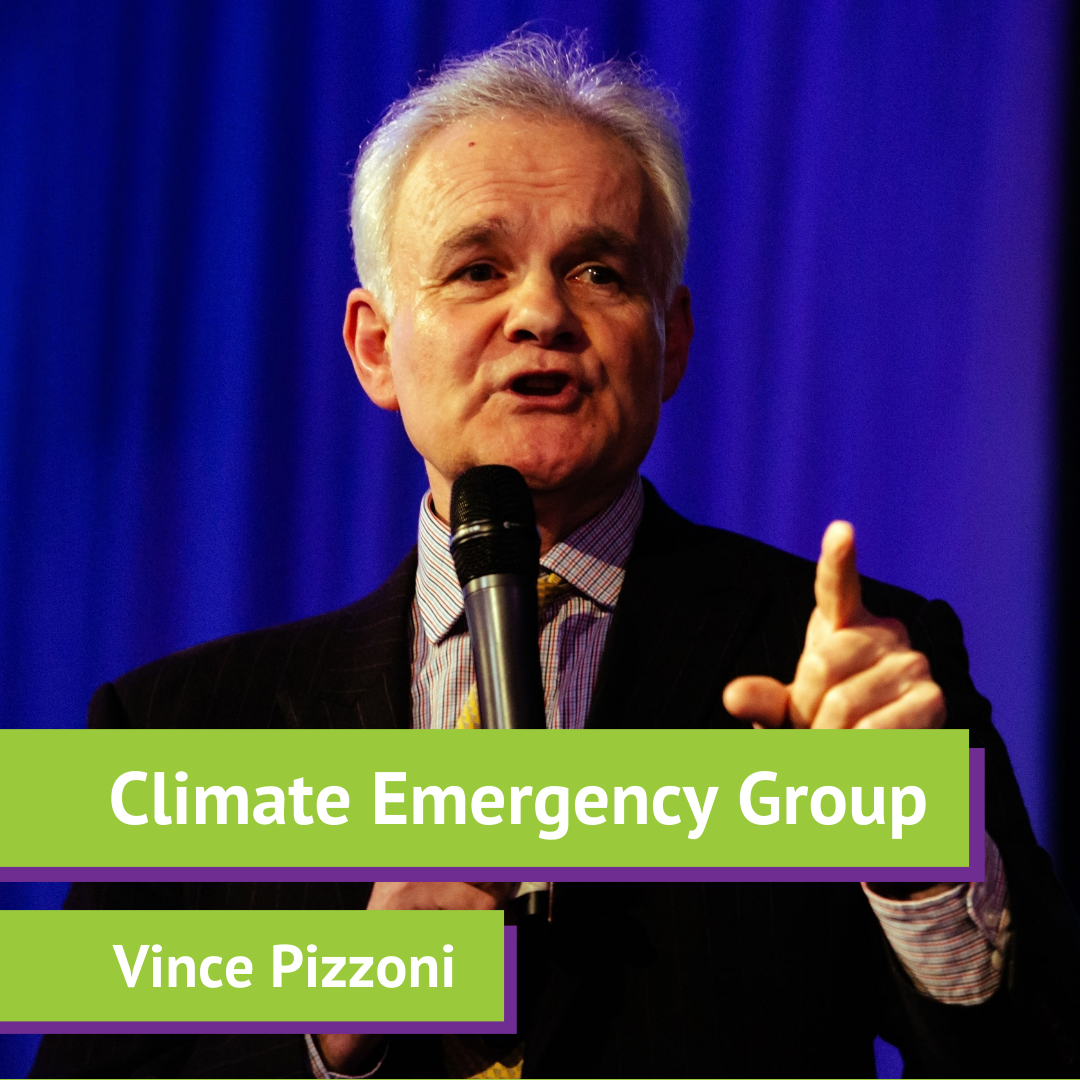
Vince Pizzoni
Professor in Chemical and Environmental Engineering at the University of Nottingham, Vince has coached and mentored 1000s spanning the whole career lifecycle from school to university, executive and board level, and made it his mission in life to inspire and mentor future generations into STEM, Engineering and Energy careers.
Vince has 40+ years’ of relevant, global business experience incorporating executive management and board positions in blue chip companies including ExxonMobil, Suez, V. Ships, Nalco and P&G and today manages a portfolio career as a consultant in a boutique energy executive search firm, energy sector career coach to students at several prestigious UK business schools including LBS, Imperial, Oxford, Cambridge and Chicago Booth and holds Trustee/NED/Ambassador positions on several boards.
These include the Women in Engineering Society, Female Leaders in STEM Subjects, POWERful Women, MyBigCareer, a charity providing career guidance to students from disadvantaged backgrounds, FOCUS expatriates and the South Shropshire Multi-Academy Trust.
Vince is also a Chartered Engineer and Fellow of a number of organisations including the Institute of Chemical Engineers, Energy Institute, Women’s Engineering Society and the Chartered Management Institute. He is also a Group Partner of Circklo.
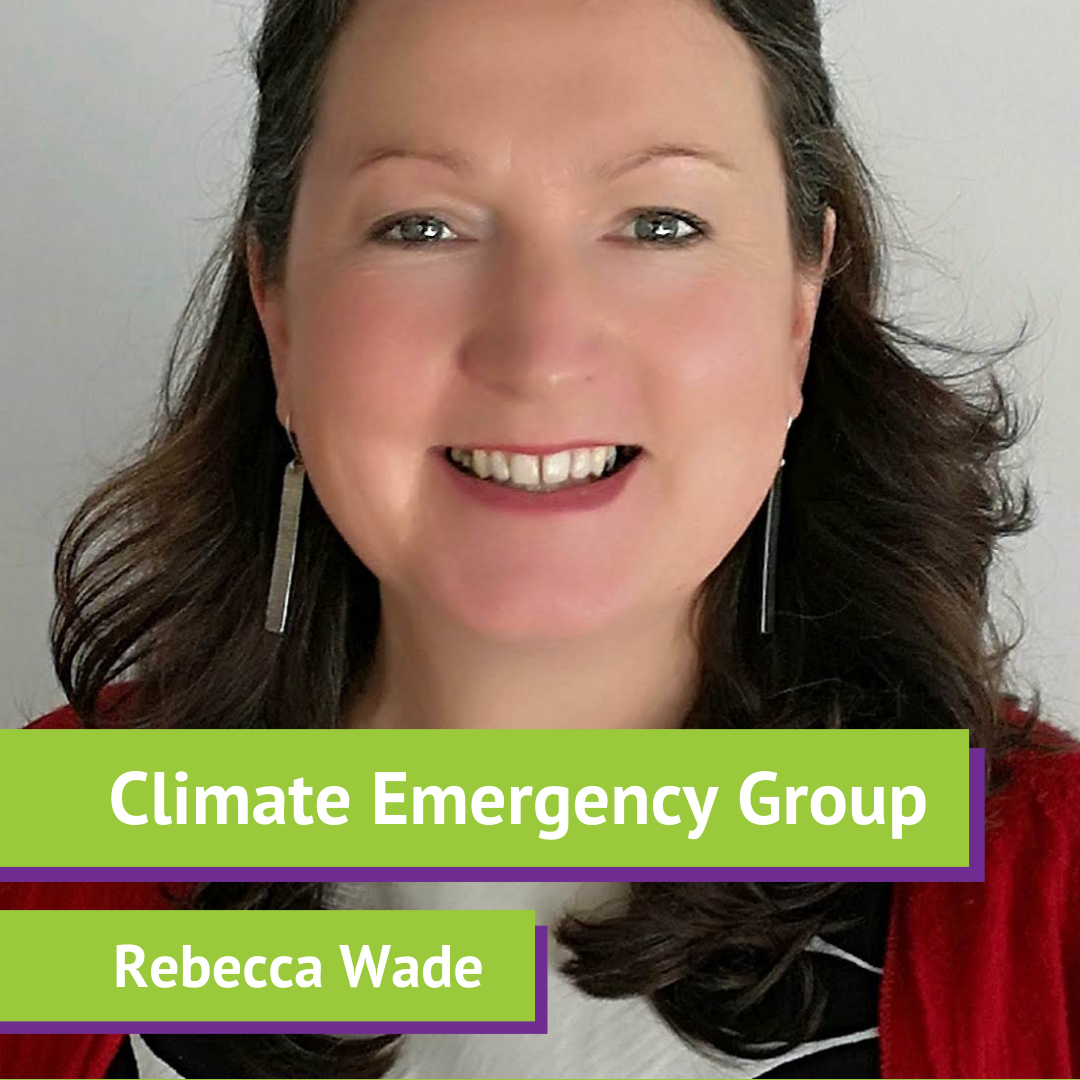
Rebecca Wade
Dr Rebecca Wade is a Senior Lecturer in Environmental Science at Abertay University in Dundee, Scotland. She teaches BEng & MEng Civil and Environmental Engineering, MSc Environmental Management and has created Sustainability upskilling courses for students and the general public. In her teaching she inspires the next generation of civil engineers, to work collaboratively and sustainably to address climate change. In her research she collaborates across disciplines and organisation to deliver multiple benefits from sustainable water and greenspace management (including river restoration, sustainable drainage, ecosystem services and nature-based solutions). She has been named Institution of Civil Engineers (ICE) Scottish and UK National STEM Ambassador of the year, and was also named Woman of Influence 2022 by Action for Children Scotland. In 2023 she took part in a life-changing voyage to Antarctica, part of the prestigious Homeward Bound International Women in STEMM leadership programme.
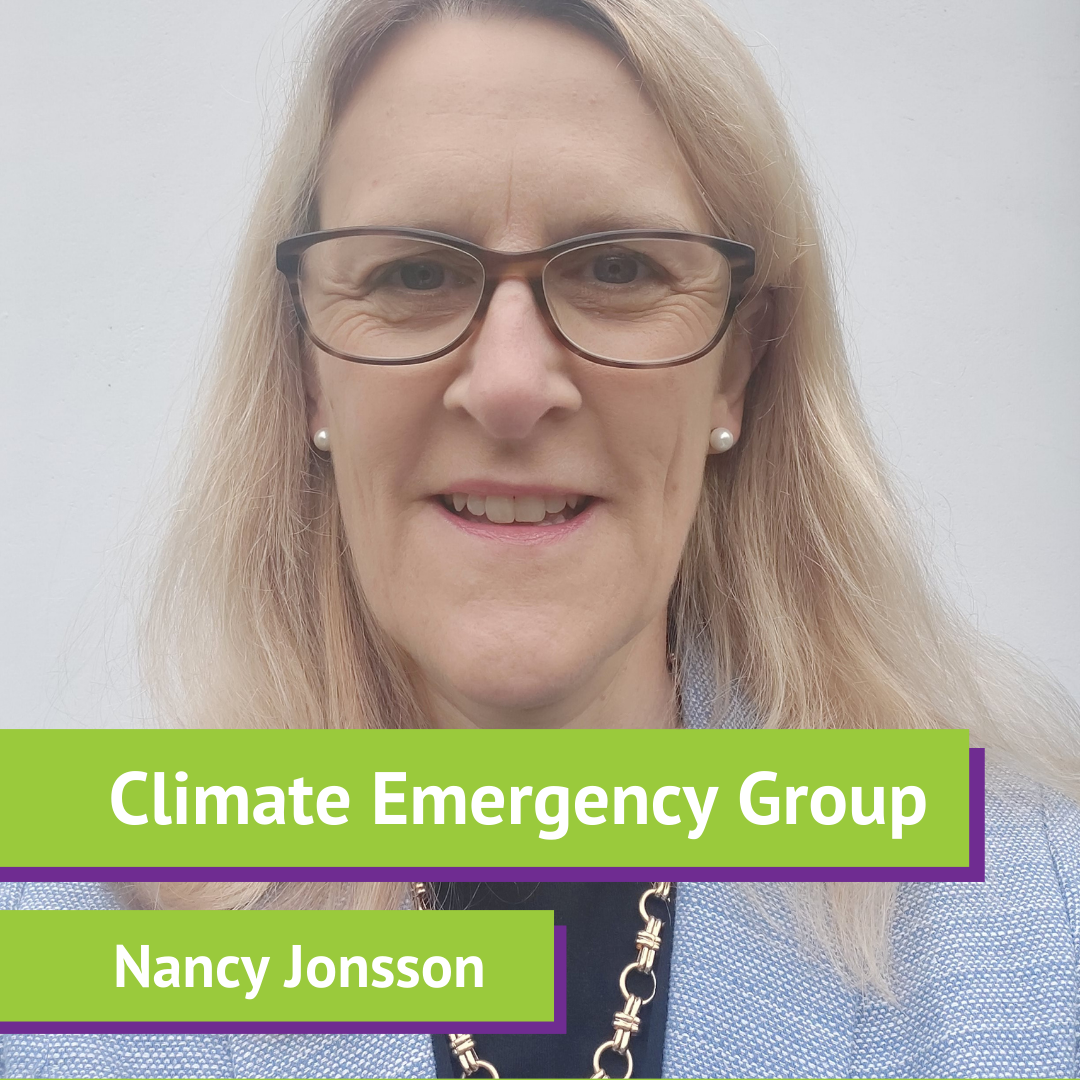
Nancy Jonsson
Nancy is currently a Technical Consultant to the Heat Pump Association (a trade body that represents the heat pump sector) and has over 25 years’ experience working for renewable heating product manufacturers. Leading various technical industry groups, she helps to shape product standards and policies that alleviate barriers to heat pump adoption. When considering how to decarbonise domestic heating, Nancy appreciates that homeowners have different requirements and believes that supporting people with practical approaches will better equip them in their decision making. Nancy is a Judge for the National Heat Pump Awards and is a Fellow of the Chartered Management Institute (FCMI).
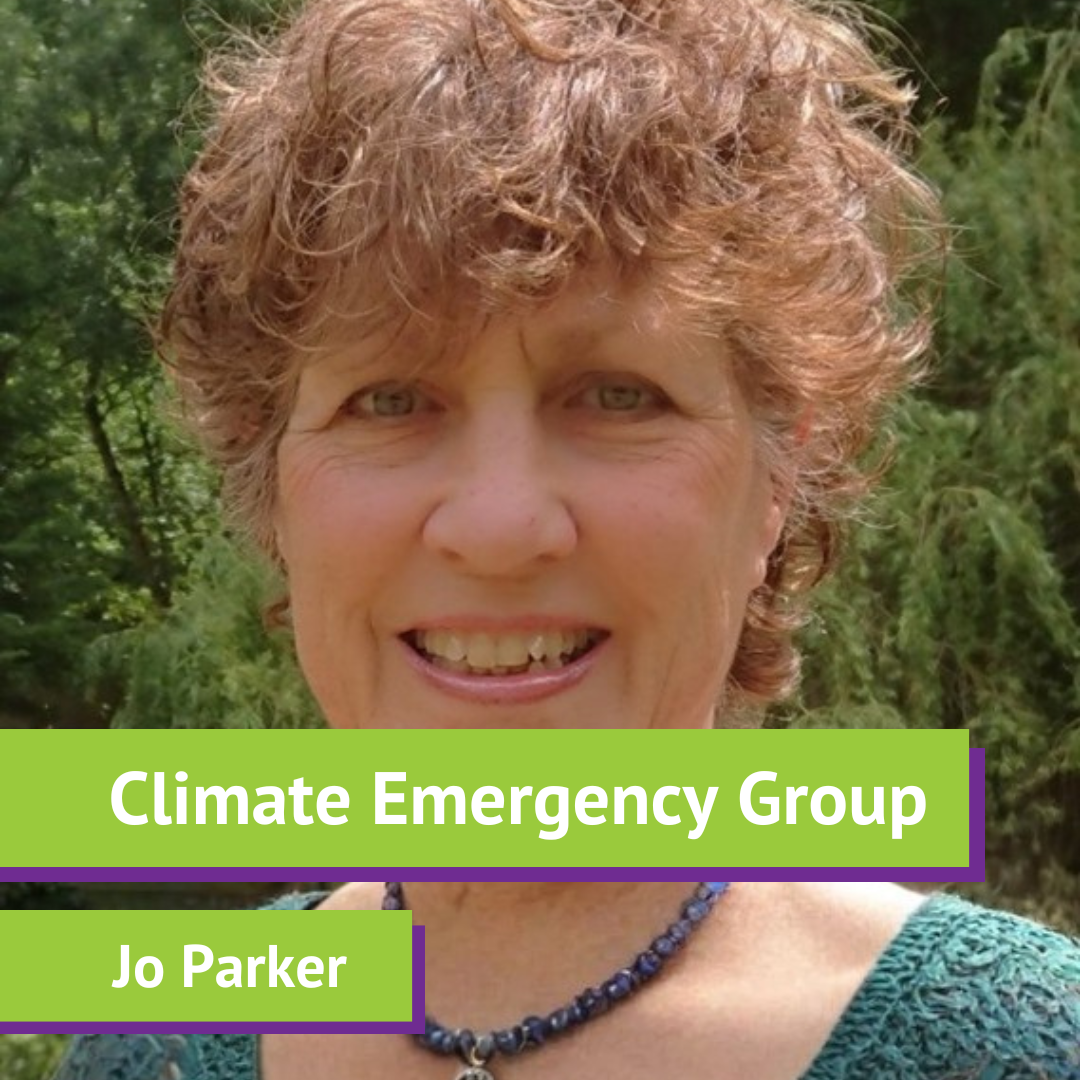
Jo Parker
Jo Parker is passionate about water. Her 50 years working as a specialist civil engineer have been recognised by numerous prizes throughout her career including an MBE awarded in 1994. After a career with various UK Water Companies during which time she spearheaded the role of women engineers, broke through many barriers and reached director level, she has worked as an independent consultant, helping clients in the UK and around the world ensure they have a safe and reliable supply of water.
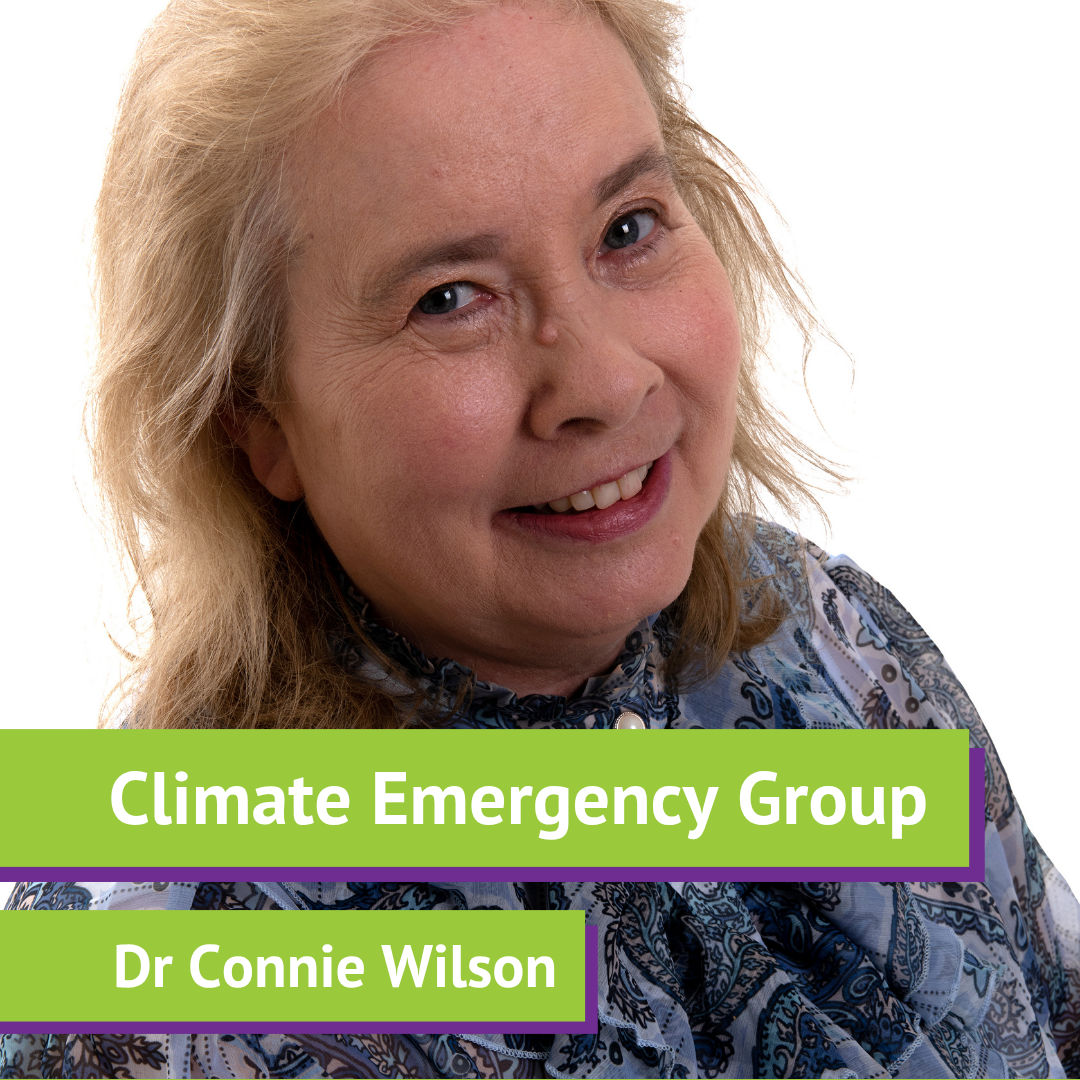
Dr Connie Wilson
Dr Connie Wilson has a Doctorate and a Honorary Doctorate in Engineering and has worked mostly in engineering, where she has been involved in innovation and creativity. One of WES Top Women Engineers she is also a WES Fellow.
Her special interests are in finding technological solutions to problems spaces like sustainability, energy and net zero. She has a key focus around the encouragement and support of women into STEM. She is also the founder of STEMCourage, a mentoring programme to assist A’ Level students discover engineering, green skills and technology, and has mentored for over two-thirds of her career.
Connie is a Chartered Engineer with the IET, and a fellow at Nottingham Trent University. She is a multi award winning woman who has been recognised for many aspects of her work and volunteering, working with STEMLearning, WES, Soroptimists International, and NTU Womens Development Programme.
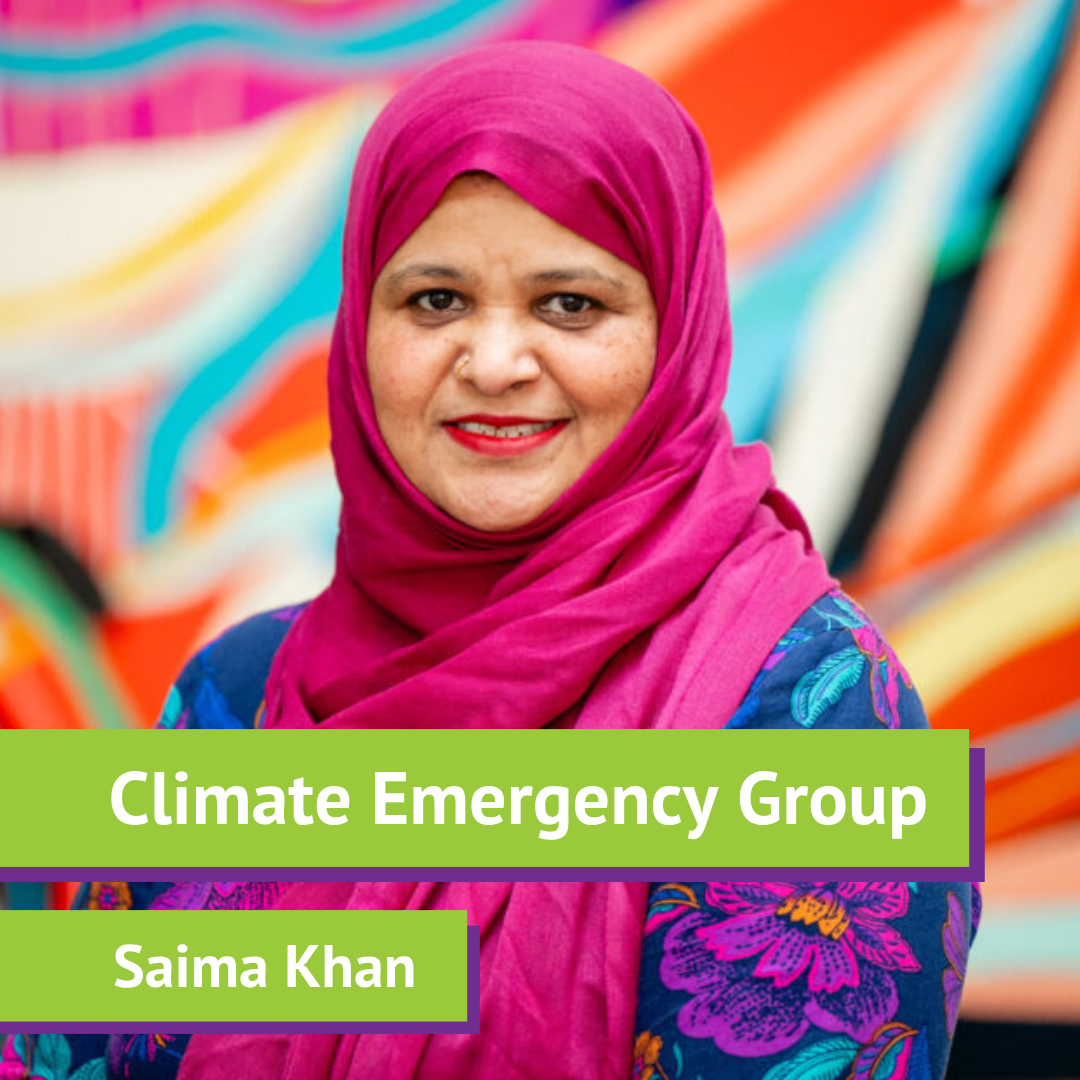
Saima Khan
Saima is a postgraduate researcher at the Collaboratory Research Hub, exploring immersive approaches to embedding water sustainability education within primary school curricula in support of Nottingham’s Carbon Neutral 2028 Plan. Based in Nottingham, she brings an interdisciplinary background, including a BArch from NED University in Karachi, Pakistan, and an MA in Islamic Education from the Markfield Institute of Higher Education. Since 2015, she has served in voluntary roles as a Trustee and member of the Mosque Management Committee at the Karimia Institute, contributing to educational, interfaith, and community cohesion initiatives. She is also involved with Nottingham’s Interfaith Councils, has experience with local Muslim Scouts groups, and being a member of the Muslim Hands Programmes Committee.
Beyond academia, Saima is committed to translating research into practice. She established a charity-led free school, Sohbat-e-Ilm, in Sohbatpur village, Balochistan, Pakistan, to support children in flood-affected areas. The initiative contributes to multiple Sustainable Development Goals, demonstrating her dedication to climate resilience, equitable access to education, and the empowerment of underserved communities—particularly girls—through safe and supportive learning environments.
Her work is driven by a strong commitment to community engagement, social justice, and sustainability. She focuses on promoting values and behaviours regarding responsible citizenship, equitable use of natural resources, and collaborative approaches to environmental challenges, alongside facilitating knowledge exchange, skills-sharing, and charitable funding.
Saima welcomes collaboration and partnerships in sustainability education, curriculum development, and community-based learning, with a focus on co-developing practical approaches for primary education, and grassroots climate-resilience initiatives.